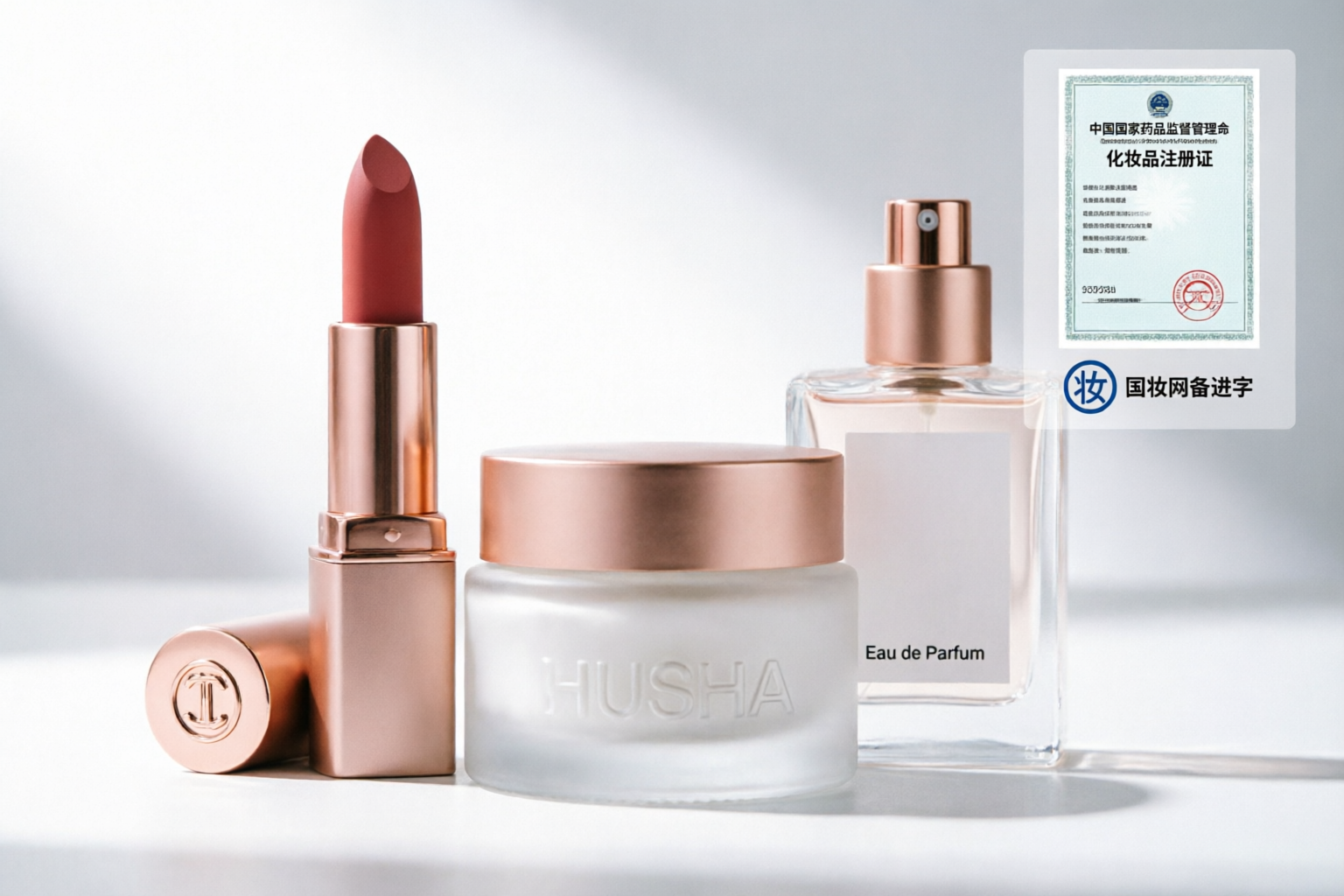
The Chinese cosmetics market is the world’s second-largest, valued at over USD 80 billion. For international cosmetics brands entering China, a strategic trademark filing is essential—not just for brand protection, but also for regulatory compliance with China’s cosmetics registration requirements.
Key Trademark Classes for Cosmetics Brands
Cosmetics brands should build a filing strategy around the classes that cover their core products, retail channels, and related services. Filing too narrowly leaves gaps that squatters and competitors can exploit.
| Class | Coverage | Priority |
|---|---|---|
| Class 3 | Cosmetics, skincare, perfumes, toiletries | Essential |
| Class 35 | Retail, online sales, advertising | Essential |
| Class 21 | Cosmetic utensils, brushes, applicators | Recommended |
| Class 5 | Medicated cosmetics, sunscreen (if therapeutic claims) | Conditional |
| Class 44 | Beauty salon services, skincare consultation | If applicable |
Class 3 and Class 35 as the Core
Class 3 protects the products themselves, while Class 35 covers the retail and e-commerce channels where most cosmetics are sold. File both together—registering only the product class leaves your brand exposed on platforms like Tmall and JD.com.
Class 5 for Functional Products
If your products make therapeutic claims—such as sunscreen, anti-acne, or whitening functions—they may fall into Class 5. Misclassifying a functional product can lead to refusal or, worse, regulatory problems with the NMPA later.
Regulatory Intersection: NMPA and Trademarks
China’s National Medical Products Administration (NMPA) requires cosmetics to be registered or filed before sale. Your trademark is a key identifier in the NMPA filing process, and the two systems are closely intertwined.
Why a Chinese Trademark Matters for NMPA Filing
Without a registered Chinese trademark, your product registration may face delays or rejections. The NMPA filing process requires you to identify the product’s brand name, and a registered mark is the clearest way to establish your right to use that name in China.
Timing Your Filings Together
File your trademark application early, because Chinese registration typically takes 8–12 months, while NMPA filing cannot wait indefinitely. Starting the trademark process before or in parallel with product registration avoids a bottleneck at the regulatory stage.
Key Risks for Cosmetics Brands
Cosmetics is one of the most actively squatted categories in China. International brands frequently discover that a local party has already registered their name or a close transliteration before they enter the market.
Chinese-Character Name Squatting
Register both your English brand name AND a Chinese transliteration. Chinese consumers recognize brands by their Chinese names, and an unregistered transliteration is an open invitation to squatters who will then demand a buyback at a premium.
Sub-Brand and Product Line Protection
Register each product line name separately, not just the master brand. A squatter targeting an individual product line can force you to rename it or pay a ransom even when your master brand is secure.
Packaging and Design Protection
Consider design patent or copyright protection for distinctive packaging. Cosmetics packaging is heavily imitated, and trademark law alone often cannot protect the overall look and feel of your products.
Chinese Name and Transliteration Strategy
One of the most consequential decisions for a cosmetics brand entering China is the choice and protection of your Chinese name. Chinese consumers almost always refer to international cosmetics brands by a Chinese name, whether it is a phonetic transliteration or a descriptive brand name created for the market.
File your Chinese name as a trademark at the same time as your English name, and ideally before you launch. Squatters monitor new market entries and frequently register attractive Chinese names first, then demand a premium to transfer them. A registered Chinese name also strengthens your NMPA filing, because the regulator expects the brand name used in product documentation to match a name you actually control.
Choose your Chinese name carefully, because changing it later is costly. The name should be easy to pronounce, carry positive associations, and avoid unfortunate homophones. Once selected, protect it across your core classes—not only Class 3 and Class 35—so that third parties cannot register a confusingly similar name for related products.
Related Articles
- Fashion Brand Trademark Protection in China
- How to Choose the Right Trademark Class
- Class 35: Defensive Registration
Official Resources
Disclaimer: This guide is for general information only. Cosmetics regulatory requirements are subject to change. Consult qualified professionals.