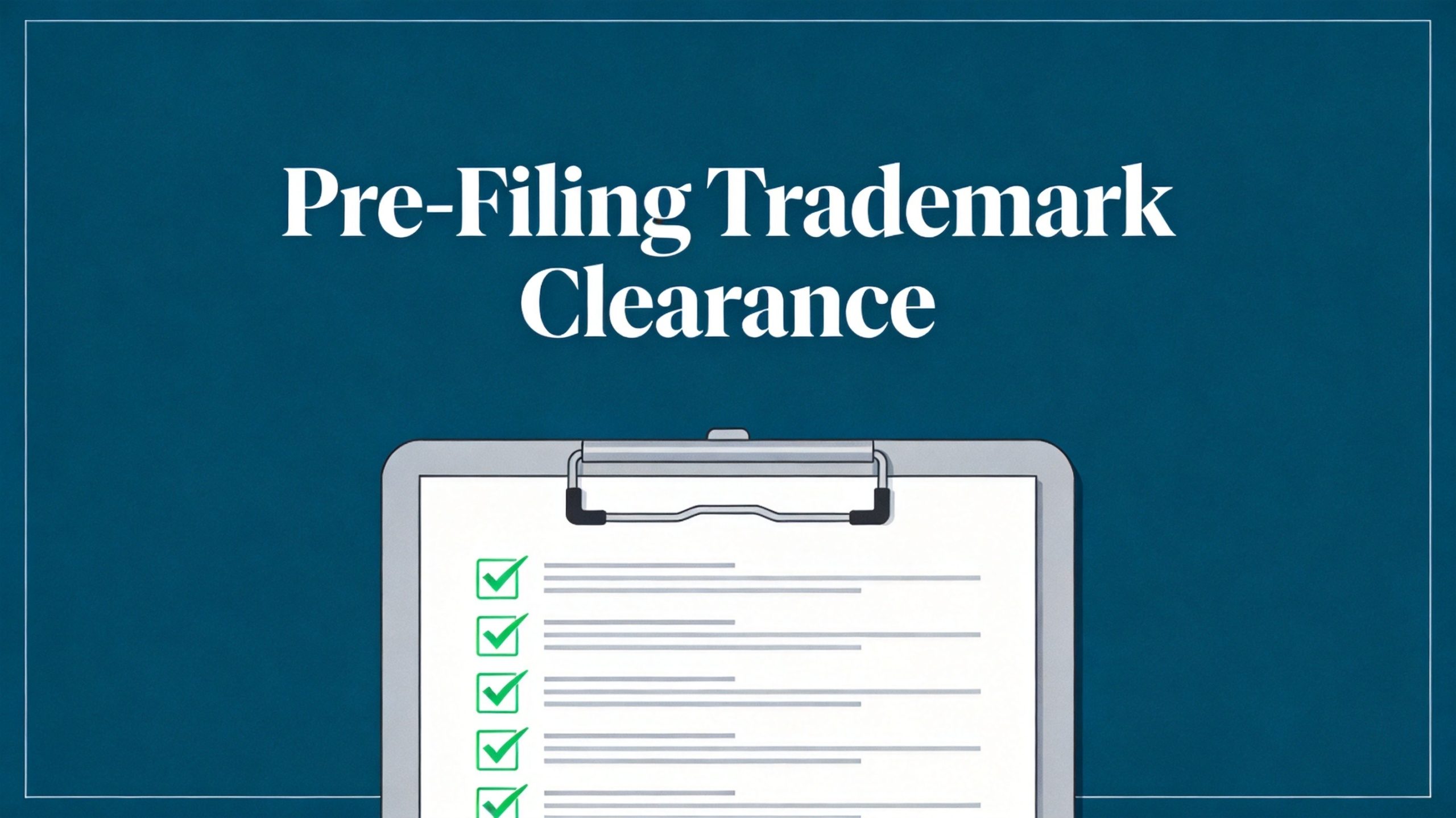
Pre-filing clearance — the process of conducting a comprehensive Trademark Search before submitting your application — is arguably the most important step in China’s trademark registration process. With CNIPA rejecting approximately one-third of all applications, a well-executed clearance strategy can mean the difference between securing your brand and facing months of delays and additional costs.
The Cost of Skipping Trademark Search
When a trademark application is refused by CNIPA, the consequences extend far beyond the initial filing fee. Consider the true cost:
- Lost Time: Refusal and appeal processes can add 6-12 months to your timeline
- Legal Fees: Responding to office actions and filing appeals typically costs 2-5 times more than the initial application
- Brand Damage: A refused application becomes public record, potentially alerting competitors to your business plans
- Market Entry Delay: Without trademark protection, expanding into China becomes significantly riskier
Key Components of a China Trademark Search
1. Identical Mark Search
Search for identical marks in the same class and subclass. This is the most straightforward search but also the most essential. CNIPA’s database allows searching by applicant name, registration number, and international class.
2. Similar Mark Search
This is where most DIY Trademark Search efforts fall short. CNIPA examiners assess similarity based on appearance, pronunciation, and meaning. Professional clearance searches use commercial databases with advanced algorithms to identify potentially conflicting marks.
3. Chinese Character Search
For foreign brands entering China, searching for Chinese character transliterations is critical. Your English brand name may conflict with an existing Chinese-character mark that sounds similar. A comprehensive Trademark Search must include phonetic searches across Chinese dialects.
4. Class and Subclass Analysis
China’s subclass system means that within a single Nice class, different subclasses may be treated as dissimilar goods. Understanding which subclasses are considered similar by CNIPA examiners requires experience with the examination guidelines.
Timeline: When to Conduct Your Trademark Search
Ideally, a Trademark Search should be conducted before you finalize your brand name. This allows you to adjust your mark if conflicts are discovered, rather than being forced to abandon a brand you have already invested in.
For foreign companies, we recommend conducting the clearance search at least 3-4 weeks before your planned filing date. This provides time to analyze results, develop alternative strategies if needed, and prepare a strong application.
DIY vs. Professional Trademark Search
| Factor | DIY Search | Professional Search |
|---|---|---|
| Cost | Free | $200-$500 |
| Coverage | CNIPA basic database only | Multiple databases, including WIPO |
| Similarity Analysis | Basic keyword matching | Advanced algorithmic analysis |
| Chinese Character Search | Limited or none | Comprehensive phonetic search |
| Legal Opinion | None | Included with risk assessment |
Conclusion
Pre-filing Trademark Search and clearance is not a cost — it is an investment in your brand’s future in China. By identifying potential conflicts early, you can adjust your strategy, avoid costly refusals, and secure your trademark rights more efficiently. For foreign applicants navigating China’s complex trademark system, professional clearance is strongly recommended.
Related Articles
- Understanding CNIPA Office Actions: Types, Deadlines, and Response Strategies
- How to Respond to a Distinctiveness Refusal in China: Arguments and Evidence That Work
- Overcoming Similarity-Based Trademark Refusals in China: Effective Arguments for CNIPA
Official Resources
Disclaimer: This article is for informational purposes only and does not constitute legal advice.